How to pack a picnic with less disposable waste
· Editorial team lasvegasnewskelly.com
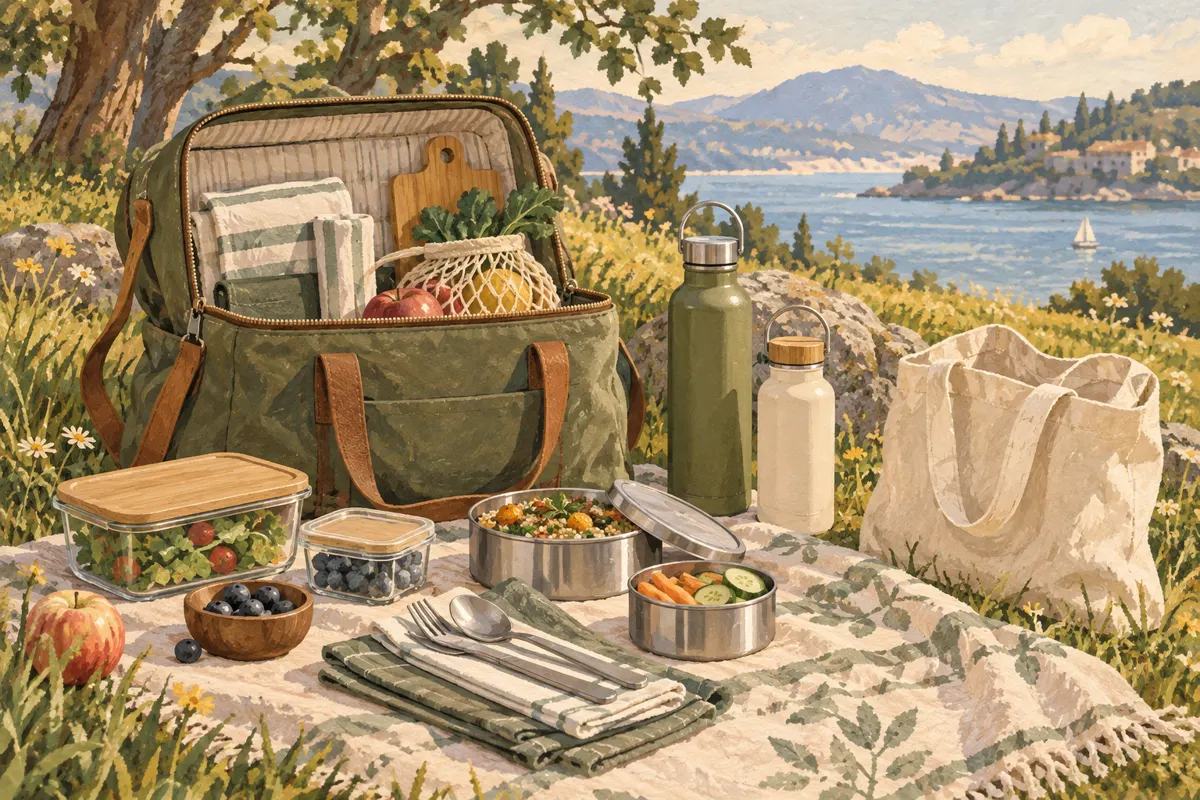
Pack food in reusable containers, bring washable napkins and everyday utensils, and set aside a bag for everything that needs to come home. A picnic with less disposable waste starts with those practical choices. Use what you already own, choose food that needs little extra packaging, and plan the cleanup before you leave.
Build a small kit from what you have
Start by checking your cupboards. Lunch containers, durable plates, ordinary cutlery and reusable drinking bottles can all be part of a picnic kit. You do not need a matching set. Choose items you can carry comfortably and wash afterward, and pack only enough for the people attending.
- One reusable plate or food container that can double as a bowl.
- A fork or spoon suited to the food you are bringing.
- A washable cloth napkin.
- A filled reusable drinking bottle, or a reusable cup for shared drinks.
Add shared serving utensils only where needed. A reusable blanket can provide a place to sit, while a washable tablecloth works if you expect to use a table. Keep the kit together between outings so packing the next picnic becomes a quick cupboard check.
Choose food that travels in containers
Simple food makes it easier to avoid individually wrapped portions. Sandwiches, cut fruit and nuts are examples suggested by the source. Our proposed menu is sandwiches in one container, fruit in another, and a shared snack in a small tub. Adjust the quantities to your group instead of packing several backup meals.
Think through how each dish will be served. If everyone can eat directly from their own lunch container, you may not need separate plates. If you bring a shared dish, include its serving spoon. Put dressings or spreads in suitable reusable containers rather than bringing single-serving packets.
For drinks, fill bottles before leaving or bring a shared beverage container and cups. When shopping, look for options that avoid unnecessary individual wrappers, but keep the plan manageable. Using containers you already have is a useful place to begin, even when some ingredients arrive in packaging.
Pack a return bag alongside the food
The return trip deserves space in your packing plan. Our proposal is to bring one washable bag or reusable lidded container for dirty dishes, plus a separate bag for any rubbish. Choose a return container that can hold damp napkins and food residue without soiling the rest of your belongings.
- Check that food-container lids fit securely and keep containers upright in your carrier.
- Group clean utensils and napkins together so they are easy to find.
- Leave room for containers and dishes after the meal; they still need to fit on the way home.
- Place the empty return bag somewhere accessible, rather than underneath all the food.
- Bring a separate container for leftovers if your serving dishes cannot be closed.
With a group, tell people beforehand whether you are supplying tableware or asking everyone to bring their own. A specific request—plate, cup, utensils and cloth napkin—is easier to follow than a general request to reduce waste.
Make cleanup part of the meal
Set out the return bag when you unpack. For a larger gathering, make it clear where reusable dishes and waste belong. The source recommends separate collection points for recycling, compost and rubbish, and taking waste home when the picnic location does not provide appropriate facilities.
- Close containers holding leftovers and keep them separate from dirty tableware.
- Gather utensils and plates, then place them in the return bag or container.
- Collect napkins and fold the blanket after checking it for wrappers and scraps.
- Pick up all waste around your picnic spot, including small packaging pieces.
- Take collected waste home if suitable disposal facilities are unavailable.
At home, empty the return bag, wash the dishes and launder the napkins as needed. Let everything dry before repacking the kit. Notice what went unused or was missing, then adjust for the next outing. That small reset makes a reusable picnic routine easier to repeat.