How to keep roasted vegetables from turning soggy
· Editorial team lasvegasnewskelly.com
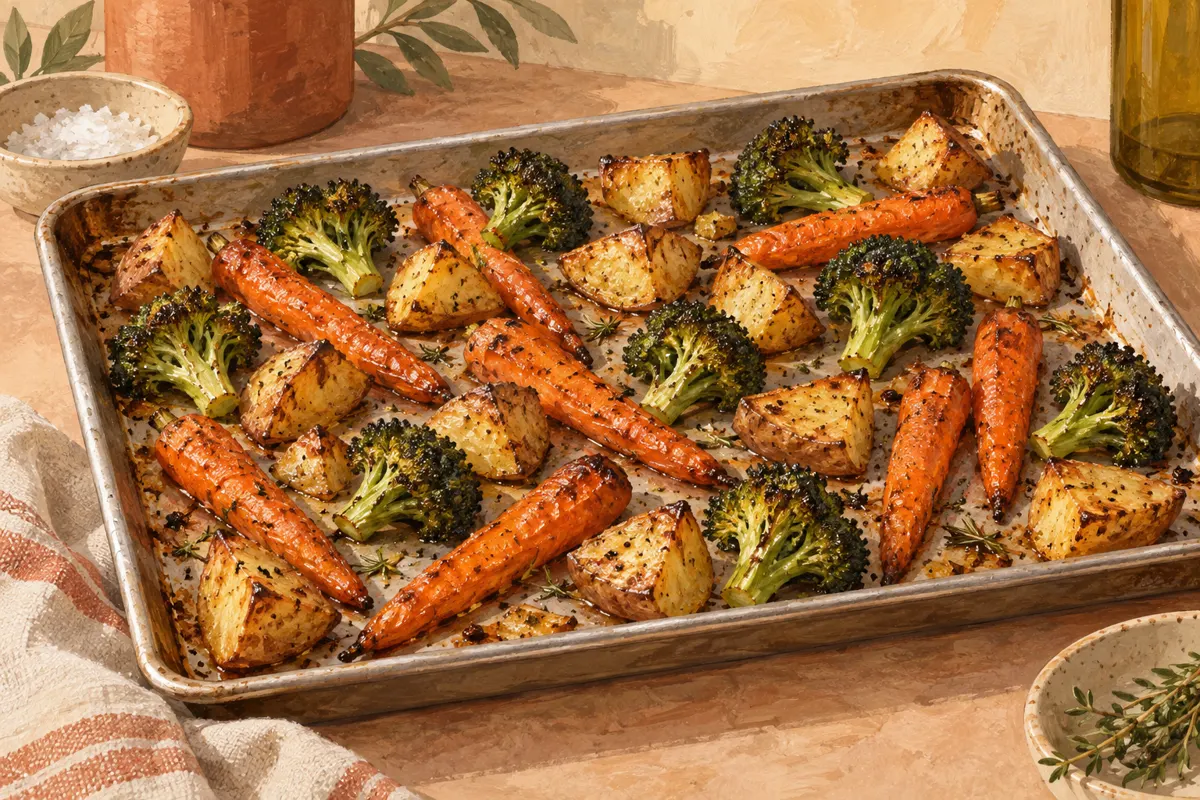
To keep roasted vegetables from turning soggy, dry them thoroughly, spread them in a single layer with space between pieces, and roast in a fully preheated oven at 425°F. Cut each vegetable consistently and cook dense vegetables separately from quicker-cooking ones. These habits help moisture escape while the vegetables develop browned edges and tender centers.
Dry vegetables before adding oil
Water left on washed vegetables adds moisture to the pan and encourages steaming. Before seasoning, pat the vegetables thoroughly with a clean kitchen towel. Pay attention to broccoli and cauliflower florets, where droplets can remain between the branches. Dry cut surfaces as well as the outside of each vegetable.
For zucchini and summer squash with a prominent, watery seed center, remove that center before cutting the remaining flesh. This can help produce a firmer result. Still, expect softer vegetables to have tender interiors: a good batch does not need to be crunchy all the way through.
Cut evenly and separate cooking times
Keep pieces of the same vegetable similar in size and thickness. A tray of thick carrot chunks and thin carrot slices will cook unevenly, leaving some pieces hard while others become too soft. Consistent cutting makes it easier to judge when the whole batch is ready.
Equal size does not mean every vegetable needs equal time. Potatoes and beets generally take longer than asparagus or sliced peppers. Use these approximate ranges at 425°F as starting points, then check tenderness and browning:
- Asparagus: about 10–15 minutes.
- Bell peppers and zucchini: about 15–20 minutes.
- Broccoli: about 20–25 minutes.
- Carrots and Brussels sprouts: about 25–30 minutes.
- Potatoes and sweet potatoes: about 30–40 minutes.
For a mixed batch, use separate pans or start the slower vegetables first and add faster ones later. Separate pans make it easier to remove each vegetable when ready. If adding vegetables to an existing tray, preserve the gaps between pieces.
Give each piece room on a shallow pan
Choose a large, shallow rimmed baking sheet. A deep casserole dish holds moisture around the vegetables, making it harder to get browned surfaces. Arrange everything in one layer, with visible space between pieces. Avoid piles, overlapping slices, or a tightly packed carpet of florets.
If the vegetables do not fit comfortably, divide them between pans or roast in batches. Extra cooking time does not solve the underlying problem of a crowded tray. For easier cleanup, use parchment rated for the roasting temperature. For stronger browning on the contact surface, roast directly on a well-oiled baking sheet.
Use a hot oven and an even oil coating
Preheat the oven fully to 425°F before putting the vegetables inside. Toss them with enough olive or avocado oil to coat their surfaces evenly, without leaving them swimming in oil. Salt and pepper are enough for a basic batch; add other seasonings to suit the meal.
- Wash, dry, and cut the vegetables into consistent pieces.
- Group vegetables by how long they take to cook.
- Toss with oil and seasoning, then spread loosely on a shallow baking sheet.
- Roast in the preheated oven, turning the pieces about halfway through their expected cooking time.
- Remove when the edges are browned and the centers are tender, before the vegetables become mushy.
Finish and reheat with texture in mind
Add lemon juice, vinegar, or dressing after roasting. Serve dips on the side when you want to preserve the browned surfaces. Honey and maple syrup can burn during a long roast, so add them closer to the end of cooking.
For leftovers, use an oven, skillet, or air fryer when texture matters. Spread vegetables on a baking sheet and reheat at 350°F until warmed through, roughly 10 minutes, or warm them in a skillet with a little oil. Keep an air fryer basket uncrowded. Microwaving is convenient, but it tends to soften roasted vegetables.